

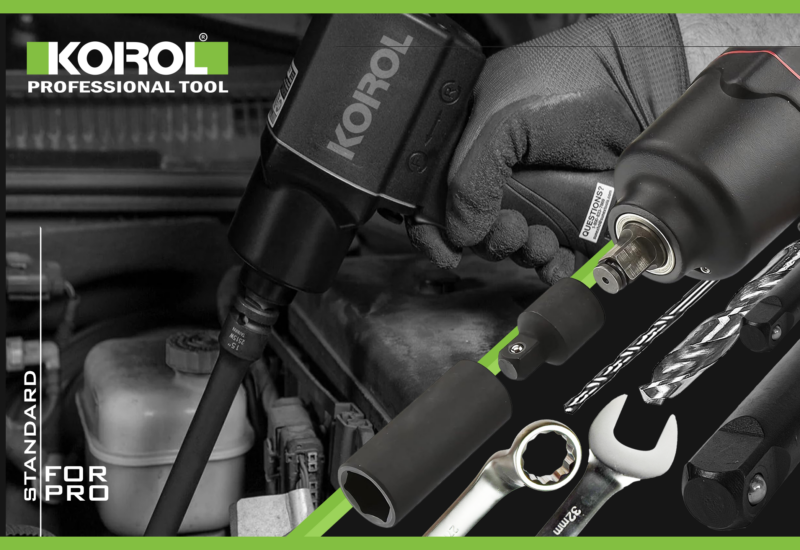
A Pro’s Take on Protecting Your Investment
On any job site, our tools are our livelihood. They’re not just pieces of equipment; they’re the instruments we use to execute our craft with precision and efficiency. When a tool goes down, it’s not just an inconvenience—it’s a direct hit to our productivity and, ultimately, our bottom line. Over the years, I’ve seen countless tools bite the dust prematurely, and in almost every case, the cause was simple neglect. The difference between a tool that lasts for years and one that’s scrap metal in a few months often comes down to a few basic maintenance habits. This guide outlines the five non-negotiable maintenance practices that every professional should adopt to protect their investment and keep their tools running strong.
1. The End-of-Day Clean-Down
This is the most basic, yet most frequently ignored, maintenance step. Dust, sawdust, metal shavings, and other job-site debris are the mortal enemies of power tools. They get into motor vents, switches, and chucks, causing overheating, electrical shorts, and mechanical failures. A thorough cleaning at the end of each day is the single most effective thing you can do to extend the life of your tools. [1]
Use compressed air to blow out motor housings and vents. A stiff brush can dislodge stubborn debris. For tools used in wet or damp conditions, it’s critical to ensure they are completely dry before being put away to prevent rust and corrosion. This simple five-minute ritual can prevent the vast majority of premature tool failures.
2. Smart Lubrication: More Than Just Oil
Proper lubrication is about using the right product in the right place at the right time. Using the wrong lubricant can be just as damaging as using none at all. For instance, never use standard motor oil in pneumatic tools, as it can degrade the seals and O-rings. [1] Each tool has specific lubrication requirements, and it’s essential to follow the manufacturer’s recommendations.
| Tool Type | Lubrication Schedule | Professional Insight |
| Pneumatic Tools | Daily oiling via the air inlet. | A few drops of pneumatic tool oil before each use keeps the internal components running smoothly. |
| Drills/Drivers | Periodic chuck lubrication. | A dry lubricant on the chuck’s internal mechanism prevents sticking and ensures a secure grip on bits. |
| Gear-Driven Tools | Annual or semi-annual gear case service. | Over time, the grease in a tool’s gearbox can break down or become contaminated. Repacking the gearbox with the correct grease is a critical long-term maintenance step. |
3. Battery Discipline: The Heart of Cordless Tools
For those of us who have cut the cord, our batteries are the heart of our tool collection. Proper battery care is essential for maximizing both performance and lifespan. Modern lithium-ion batteries are robust, but they’re not indestructible. [3]
Extreme temperatures are the biggest enemy of lithium-ion batteries. Never leave them in a hot truck or in freezing conditions. When it comes to charging, it’s best to let a hot battery cool down to room temperature before putting it on the charger. For long-term storage (more than a month), store batteries with a partial charge (around 50-60%) in a cool, dry place. [2] This simple discipline will significantly extend the life of your expensive battery packs.
4. Respect Your Consumables: Sharp Bits and Blades
A dull drill bit or saw blade doesn’t just produce poor results; it puts a massive strain on your tool’s motor. A dull cutting edge creates more friction and requires the motor to work much harder to do the same amount of work. This leads to overheating and can cause premature motor burnout. [1]
Make it a habit to regularly inspect your bits and blades. Keep them clean and sharp. A sharp blade not only cuts faster and cleaner but also extends the life of your tool. Don’t try to force a dull accessory to do the job—it’s a false economy that will cost you a lot more in the long run when you have to replace a burned-out tool.
5. Strategic Storage: A Place for Everything
How you store your tools at the end of the day is just as important as how you use them. A dedicated, organized storage system—whether it’s a toolbox, a site box, or a van racking system—does more than just keep you organized. It protects your tools from moisture, impact damage, and theft. [4]
Before storing, ensure your tools are clean and dry. Storing a damp tool in a closed container is a recipe for rust and electrical problems. A good storage system also makes it easy to spot if a tool is missing, which is the first line of defense against job-site theft.
The Professional’s Mindset
For a professional, maintenance isn’t a chore; it’s a discipline. It’s about respecting the tools that enable you to do your job and recognizing that a small investment in time and care pays huge dividends in reliability and longevity. By integrating these five habits into your daily routine, you’ll not only extend the life of your tools but also enhance your professionalism and your bottom line.
References
[1] “5 Essential Power Tool Maintenance Tips That Will Save Your Business Thousands.” Cruco Mill & Industrial Supply, LLC, https://crucosupply.com/5-essential-power-tool-maintenance-tips-that-will-save-your-business-thousands/.
[2] “Lithium-ion battery care and maintenance.” STIHL, https://www.stihl.co.uk/en/garden-ideas-and-advice/power-tool-maintenance/battery-care.
[3] “5 Tips for Maximizing the Life of Power Tool Batteries.” Grainger, https://www.grainger.com/know-how/equipment/kh-5-tips-maximize-power-tool-batteries.
[4] “Top Maintenance Tips to Extend the Life of Your Power Tools.” Toolden, 24 September 2024, https://blog.toolden.co.uk/top-maintenance-tips-to-extend-the-life-of-your-power-tools/.